Location: Santiago, Chile
Attendees:
- Benjamin Beroiza architect and educator
- Elise van herwaarden, Researcher
- Jiri Brakenhoff, Researcher
Background
Q: How have recent heatwaves affected daily life?
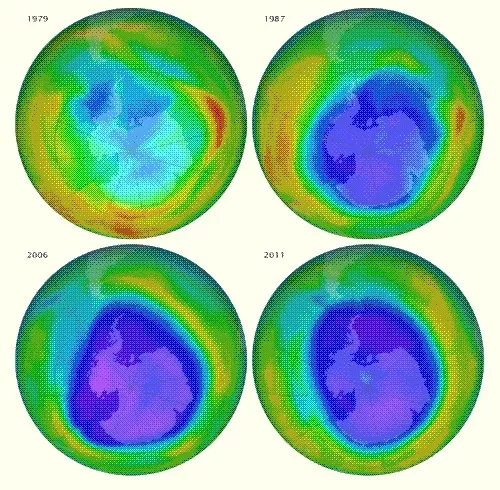
A: In my experience, recent heatwaves have significantly impacted daily life in Santiago. While the south of Chile places like Puerto Montt is generally cooler and more humid, the atmosphere there seems increasingly damaged. Many people have suffered sunburns more easily, which wasn’t so common before. There are also more plantations and industrial activities in the south, and the heat is steadily increasing. The sun feels noticeably stronger in recent years.
Q: How do Santiago’s climate and urban form shape design decisions?
A: Urban settings and changing climate push us to take a territorial approach. In Chile in general, urban areas are located between the Andes and a series of rivers, which used to provide more water now significantly reduced due to global warming. This forces us to think at a larger scale, beyond just individual buildings, and consider the broader ecological systems.
Q: Do traditional or vernacular forms influence your work?
A: While traditional forms don't directly shape my projects, learning about vernacular architecture, especially as taught at our university, offers cultural insight. For example, we study the ruca mapuche, an indigenous building type where the community centers life around a shared space. These buildings use local materials like earth and pine, depending on location. Their large roofs offer thermal comfort and collective use. We also explore uchama puche, a modern, place-specific way of sharing space. Understanding these traditions helps us connect with our hybrid identity (Spanish, Mapuche, German).
Q: What spatial or material strategies do you use to reduce urban heat?
A:Our strategies are highly site-specific due to Chile’s geographic diversity. Materials like laminated wood are important—not only because they’re regenerative and reduce CO₂ emissions, but also because they offer good thermal comfort. We often work with vegetation, using it as both a design and climate tool, especially in urban settings where natural shade is limited.
Q: What everyday cultural practices address heat?
A: In Chile there are many informal cultural responses to heat. People gather around fountains and even open fire hydrants in some neighborhoods. Street vendors sell ice creams and cold drinks like mote con huesillo, a traditional summer beverage. These habits are examples of social behavior rather than technological solutions.
Q: Is there a correlation between income and heat exposure?
A:Yes, absolutely. In wealthier areas, people rely on private solutions like air conditioning, insulated homes, and swimming pools. They tend to remain indoors.
In lower-income neighborhoods, people are more dependent on public spaces and informal solutions, like gathering in parks, using fountains, or setting up shaded markets (‘Feria’).
Q: Does public space use differ across income groups?
A:Definitely. In wealthier areas like Vitacura and Providencia, people benefit from mature trees and green infrastructure that have been in place for decades. An example is the ‘Parron’ (vines), likely brought to Chile by the Spanish. These plants and areas offer natural shade and pleasant microclimates. Cooling options are there.
In contrast, low-income areas often lack such vegetation, so people improvise, using plastic sheets to cover markets or building temporary structures for shade. This adaptation shows resilience, but also points to unequal access to cooling and quality public space. People have to create their own cooling places.
Q: What role does public space play in heat relief?
A: Public space is crucial, especially in low-income areas where private cooling options are limited. It becomes a shared refuge both socially and climatically. However, the quality and availability of these spaces differ greatly. In wealthier neighborhoods, public areas are often well-designed with trees, shade, and water features. In lower-income zones, people have to create their own cooling spots. It highlights the need for more equitable investment in climate-resilient public infrastructure.
Q: Can you share examples of projects where you addressed urban heat?
One example is a recent project involving a train station. The goal was to design with respect for the site’s social function.
Designs in Chile have to be embedded in their context. Examples:
- Chiloé has many ‘palafito', stilted houses adapted to local climate and tidal conditions
- Chile is so long, that the design has to be really focused on the specific location.
Q: How important is local culture or behavior in shaping the success of architectural/urban adaptation strategies?
You can’t just impose a solution, you need to listen to people, understand how they live, and respect their habits.
In Chile, one of the biggest challenges we face is the lack of political support and limited funding. We often have to design with very little money, which makes investing in long-term infrastructure difficult. That’s why community involvement becomes even more important, we need to ensure that the solutions we propose are useful, grounded and sustainable.
In terms of materials, we use laminated wood more and more. It’s regenerative, has a low carbon footprint, and offers good thermal comfort. These choices reflect a broader strategy: doing more with less, while staying rooted in the needs and values of the communities we work with.